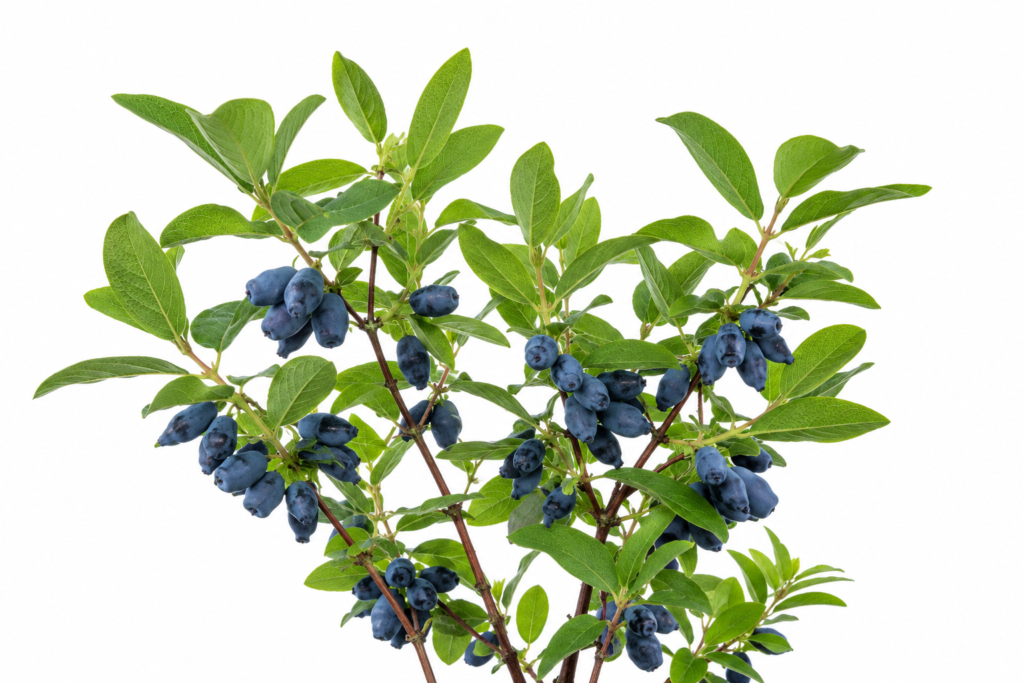
Small berry. Big benefits!

Discover New Brunswick haskap

A unique berry with exceptional flavor, grown by passionate local producers.

Haskap is a small oval berry with a unique taste, often compared to blueberry, raspberry, and black currant. It's known for its distinctive flavor, culinary versatility, and numerous nutritional benefits.

Haskap

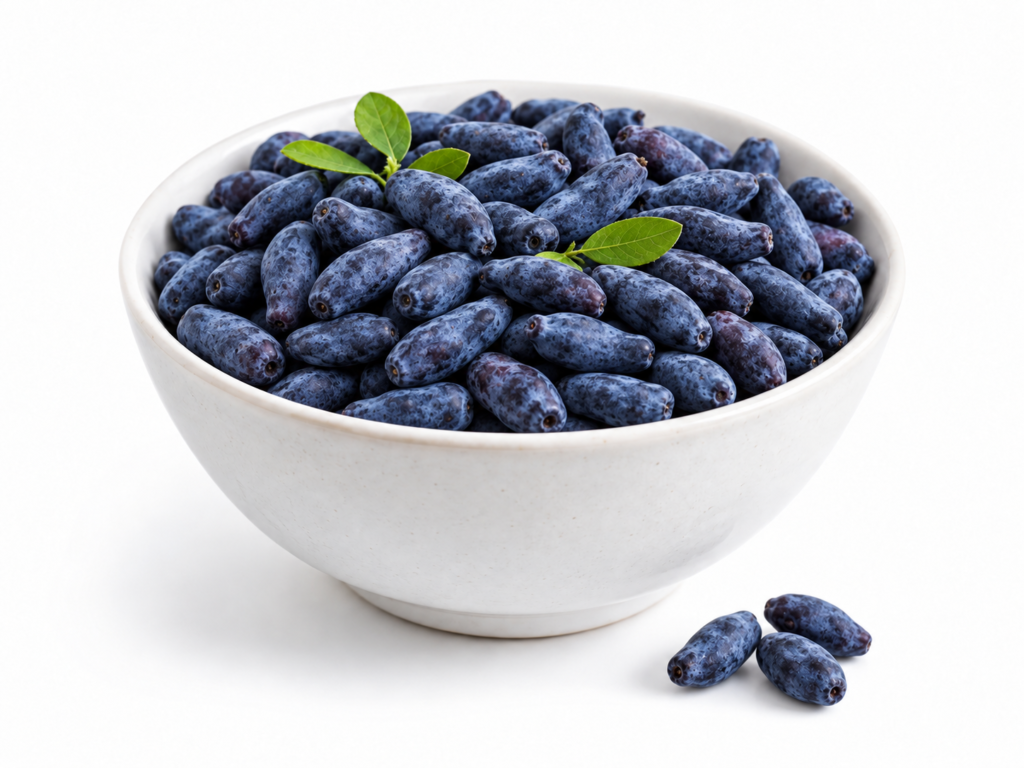
A small oval berry compared to the blueberry due to its skin color, the haskap has purple flesh and burgundy-colored juice. Its unique and complex taste is associated with black currant, blueberry and raspberry.

Harvested in early summer, it allows agricultural businesses to better distribute workload and revenue sources. Rich in antioxidants, fiber and vitamins, the haskap is not very susceptible to pests, which allows production with little or no inputs.

The Haskap Plant

Present in Japan for several hundred years, the haskap made its entry into North America in the 1990s.

The haskap berry shrub, more commonly called the haskap plant, is resistant to winter temperatures down to -47°C and its flower down to -7°C. It reaches approximately 1.5 to 2 meters in height and an orchard can remain productive for more than 30 years.

The Haskap Plant - haskap berry shrub
Haskap Harvest in New Brunswick

Harvest

A first commercial harvest of haskap normally takes place three or four years after planting, although the first years will produce a few berries. It is ready for harvest when its skin is completely blue and the inside is burgundy. If the inside is still green, you need to wait a little longer. Harvest takes place six to eight weeks after flowering and can remain on the shrub for a few weeks.

Consumption

Consumed fresh or in an infinite variety of processed products, the haskap is highly perishable. It must be frozen or stored in a cold room on the day of harvest without transferring containers. Once cooled, it can then be processed or transferred to different containers within two to four days following harvest.

consommation camerise fraiche